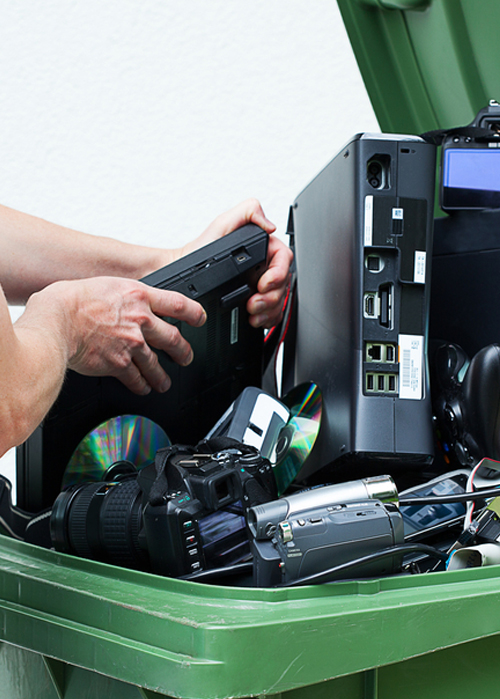
E-waste recycling is the responsible collection, processing, and disposal of end-of-life electronic and electrical equipment. As technology upgrades faster than ever, old computers, laptops, mobile phones, batteries, and office electronics keep piling up — and when handled carelessly, they release hazardous substances into the soil, water, and air. Recycling them the right way protects both the environment and public health.
Bright E-Waste Recycling India offers end-to-end e-waste management solutions for businesses, industries, IT companies, institutions, and government organizations across Delhi NCR. From doorstep collection to certified dismantling and material recovery, we handle every stage of the process in line with environmental regulations.
Electronic waste includes items such as computers, laptops, servers, printers, mobile phones, batteries, circuit boards, cables, and other IT and electrical equipment. Whether you're clearing out an office, upgrading IT infrastructure, or decommissioning a facility, we make sure your old electronics are recycled safely and responsibly.
At Bright E-Waste Recycling India, we understand that different types of electronic equipment require different handling. Devices may contain metals, plastics, glass, circuit boards, and hazardous components like batteries or mercury switches — each needing a specific recycling approach.
Our process starts with the collection and segregation of e-waste at source. Items are sorted by category and material composition, which allows for efficient and safe processing at every step.
Proper segregation also keeps recyclable and hazardous materials from mixing with general waste, making the entire recycling chain safer and more effective.
A core goal of e-waste recycling is recovering valuable materials — including metals like copper, aluminium, and precious metals — from discarded electronics. Through proper dismantling and processing, reusable components and raw materials are separated from waste that requires safe disposal.
Recovered materials are channelled back into industrial and manufacturing use, reducing the need for fresh raw material extraction and lowering the overall environmental impact of electronics manufacturing.
